How to Preserve Your Baggage: Tips for Durability and Upkeep
Maintaining luggage bags is vital for preserving their performance and look over time. Frequent washing, correct keeping, and timely fixes can significantly prolong their durability. Many travelers overlook basic upkeep routines that can avoid wear and degradation. Knowing the optimal techniques for maintenance is vital. As travelers get ready for their next adventure, they might consider the specific steps they can take to guarantee their luggage remains in peak condition.
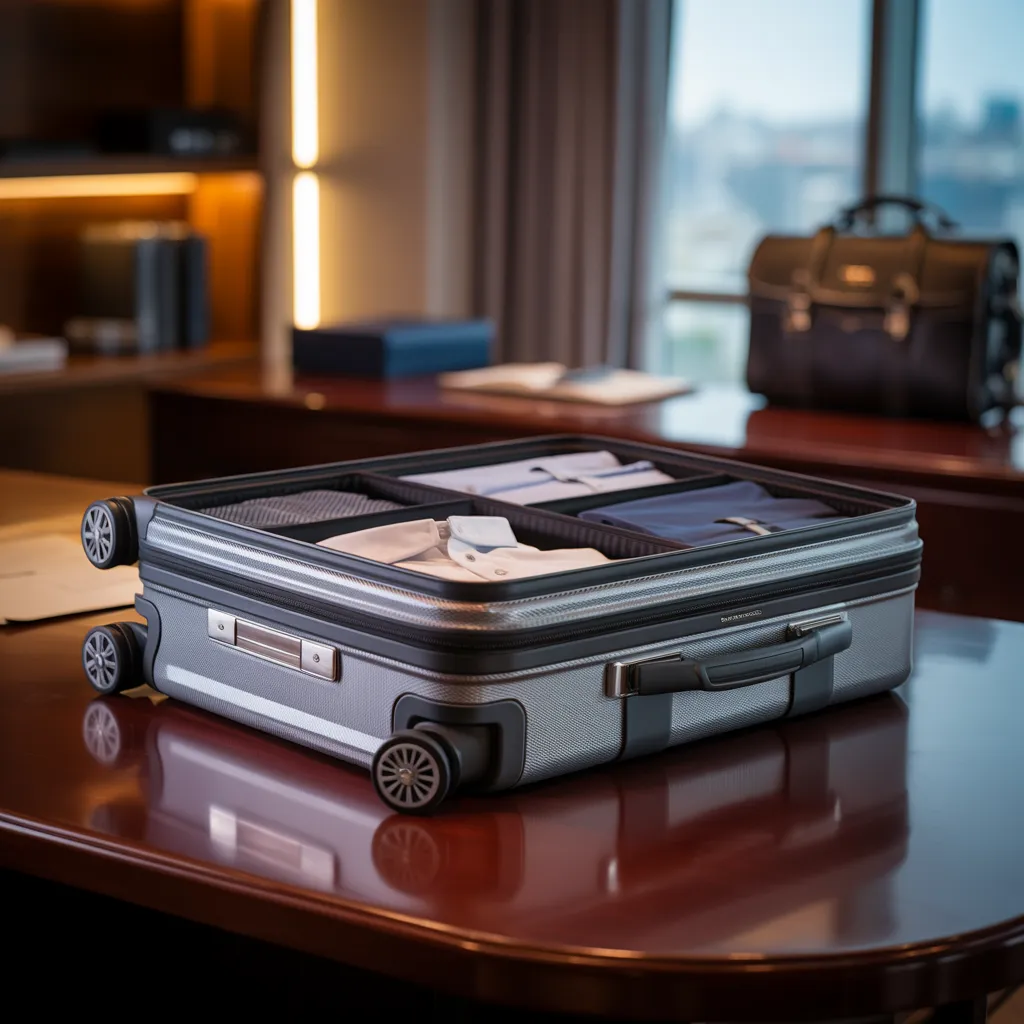
Steps for Washing Your Luggage: A Detailed Walkthrough
To keep luggage in good condition and extend its longevity, cleaning is important. Start by emptying all compartments, ensuring that no items remain. Then, use a gentle brush or cloth to gently brush the exterior and clean off dust and debris. For fabric luggage, apply a mixture of mild soap and water with a sponge; leather requires specialized leather cleaner to prevent damage. It’s crucial to test any cleaning solution on a small, discreet area first.
After washing, the luggage should be rinsed with a moist rag to eliminate soap buildup. For persistent marks, a combination of vinegar and water may be successful, but caution is advised. Finally, the luggage should be dried in the air completely before storing, making sure that moisture doesn't lead to mildew. Regular cleaning not only improves appearance but also extends the lifespan of the luggage, making it a beneficial practice.
Preserve Your Luggage: Effective Practices for Longevity
Correctly preserving luggage is vital for ensuring its longevity and preserving its overall condition. When not in use, luggage should be kept in a cool, dry place to avoid damage from humidity and extreme temperatures. Ideally, it should be stored upright to maintain its shape, preventing any unnecessary pressure on the zippers and seams.
If feasible, use dust bags or protective covers to shield luggage from dust and scratches. Refrain from stacking heavy items on top of luggage, as this can distort its structure over time. For soft-sided bags, keeping them partially filled with soft materials can help retain shape, while hard-shell cases should be kept empty to prevent any internal pressure.
Regularly monitoring the storage room for pests or moisture can prevent long-term damage. By sticking to these standard procedures, persons can guarantee their travel bags proves to be in wonderful shape for future travels.
Resolve Common Luggage Concerns Easily
Standard luggage troubles, like malfunctioning zippers, seams, and impaired handles or wheels, are often repairable through easy repairs. Understanding basic repair techniques can lengthen the life of luggage and enhance travel experiences. This section will outline useful strategies for handling these typical problems.
Fixing Zippers and Seams
Zippers and seams are key components of luggage, and when they become defective, they can compromise the integrity of the bag. To solve zipper problems, one can often apply a lubricating agent, such as silicone spray or graphite, to ease movement. If a zipper is misaligned, gently pulling the slider back can realign it. For damaged zippers, replacing the slider may be necessary, which can be accomplished with a few primary tools.
Seams, on the other hand, may need sewing if they come undone. Using a needle and strong thread, one can carefully sew the seam back together, making sure the stitches are tight and secure. Regular assessment and prompt repairs can greatly extend the lifespan of luggage bags.
Mending Handle and Casters
Handles and wheels are essential for the mobility of luggage, and when they fail, travel can become unpleasant. To repair a broken handle, one can often reattach it using screws or adhesive, depending on the damage. For wheels, inspect for debris or obstructions, as these can obstruct movement. If a wheel is damaged, replacing it may be necessary; many luggage brands offer compatible replacement parts. A simple toolset, including a screwdriver and pliers, is often adequate for these repairs. Regular maintenance, such as cleaning wheels and checking for wear, can prevent issues. By addressing these components promptly, travelers can extend the life of their luggage and minimize inconvenience during trips.
Shield Your Luggage From Damage on the Go
Travelers are required to implement protective actions to safeguard their luggage from potential damage while on the move. A reinforced luggage cover can furnish an necessary layer of coverage against scratches and scuffs during transit. Additionally, adhering to sound packing methods is necessary; items should be secured to avoid shifting, which can create deterioration and damage.
When walking through busy airports or train stations, it is essential to observe luggage at all times. Using a unique distinguisher, such as a colorful strap or tag, can help prevent theft and guarantee easy identification. Moreover, travelers should limit their packing, as excess weight can stress zippers and seams, leading to damage.
Finally, when copyrightining bags, selecting a dependable copyright and grasping their baggage procedures can minimize the risk of rough treatment. By applying these strategies, voyagers can substantially extend the life expectancy of their suitcases.
Essential Accessories for Baggage Maintenance
A well-kept suitcase can significantly improve a traveler's experience, making essential accessories crucial for luggage care. One fundamental component is a suitcase protector, which protects against scratches and dirt during travel. These covers come in various dimensions and designs, ensuring compatibility with different suitcase types.
Furthermore, packing organizers help organize belongings and prevent clutter, improving the packing and unpacking process easier. A secure luggage lock adds security, safeguarding valuables from possible theft. Also, a portable luggage scale is invaluable, helping travelers prevent overweight baggage fees by guaranteeing compliance with copyright weight limits.
Ultimately, a portable care kit can be advantageous for upkeeping the suitcase's exterior, permitting for swift cleanups after trips. By acquiring these accessories, travelers can greatly extend the life of their suitcases while boosting their overall wanderlust.
Travel Safely With Your Luggage: Pointers and Strategies
While traveling, picking luggage constructed from robust materials is vital for guaranteeing safety and long-term durability. Moreover, securely fastening belongings can prevent theft and keep items protected during transit. By focusing on these factors, travelers can improve their overall luggage experience.
Select Long-lasting Materials
Deciding on baggage crafted from durable materials is vital for maintaining longevity and protecting on journeys. Top-quality fabrics, such as polycarbonate, ballistic nylon, and high-density polyester, can bear the pressures of frequent transport and different environmental factors. These fabrics are not only resistant to wear and impacts but also waterproof, delivering an additional layer of safety for possessions. Moreover, strengthened stitching and solid fasteners enhance overall durability, reducing wear and tear as over time. Passengers should think about light options that copyright strength, as this can simplify more convenient carrying. By prioritizing strong materials, travelers can significantly reduce the likelihood of damage, guaranteeing their baggage stays functional and trustworthy for years to come.
Keep Your Belongings Secure
Protecting your possessions while on trips is essential for preventing misplacement or theft. Travelers should think about employing bag locks to deter unauthorized access, making sure bags are securely closed. Furthermore, employing packing cubes can assist in arranging items and make it harder for criminals to quickly access precious items. It is recommended to store important belongings, such as copyright and electronics, in hand luggage rather than baggage compartments. During travel, travelers should maintain visual contact with their luggage whenever possible and avoid leaving bags unsupervised in public spaces. Using luggage tags with personal details can aid in recovery if bags are lost. By adopting these methods, travelers can significantly improve the safety of their items while on the move.
Common Questions Asked Frequently
How Often Should I Refresh My Travel Cases?
Luggage bags detailed resource should ideally be maintained after every trip, especially if they show visible dirt or stains. Consistent care boosts their appearance and durability, ensuring they keep in good condition for future trips.
What Options Are Most Sturdy for Luggage?
Polycarbonate, ballistic nylon, and high-denier polyester are among the most durable materials for baggage. These materials provide excellent protection to wear and tear, guaranteeing durability and reliability during prolonged journeys or harsh treatment.
Is It Possible to Customize My Luggage for Better Detection?
Yes, bags can be tailored for enhanced identification. Options include distinctive belts, personalized tags, or unique decals. These enhancements improve recognition and lower the odds of confusion during travel, ensuring your luggage stands out clearly.
Which Luggage Size Should I Opt for When Traveling?
Determining the ideal bag capacity relies on travel duration and personal needs. For quick getaways, a carry-on works; extended trips may demand oversized luggage. Take into account space for essentials, souvenirs, and copyright restrictions when deciding on.
Do Luggage Bags Come with Warranty Options?
Substantial baggage providers extend warranty options, generally covering manufacturing defects. Shoppers should review warranty details prior to acquiring, as conditions vary significantly. A solid protection option can enhance long-term satisfaction and shield from unforeseen complications.